Custom development

I build entire systems for businesses, and then I keep them running.

Mostly that means owning the software a company runs on, from the first commit through to the part their customers pay for. I have done it as a founding engineer more than once, and I still maintain systems I wrote years ago.

  • 10 yrsShipping on the App Store
  • 5Apps live and maintained
  • 10k+People using what I have built
  • 50k+Following the work

Four kinds of work

Most projects are one of these, or a couple of them together. If yours is none of them, it is still worth asking.

Marketing sites

A site designed around your business so the people who find you can quickly see why they should get in touch.

  • Designed and built from scratch for your business
  • Content you can edit yourself without waiting on me
  • Enquiries that go straight to your inbox or your system
Dashboards and internal tools

One place where your team can see everything about your customers, your jobs, and your numbers.

  • Set up around how your team already works
  • Logins and permissions for everyone on your team
  • Reports you can read in the app instead of exporting them

Data and integrations

Your systems passing data to each other reliably so that nobody has to retype anything.

  • Your existing tools connected to each other
  • Data that stays correct even when something fails
  • An alert as soon as an outside service breaks

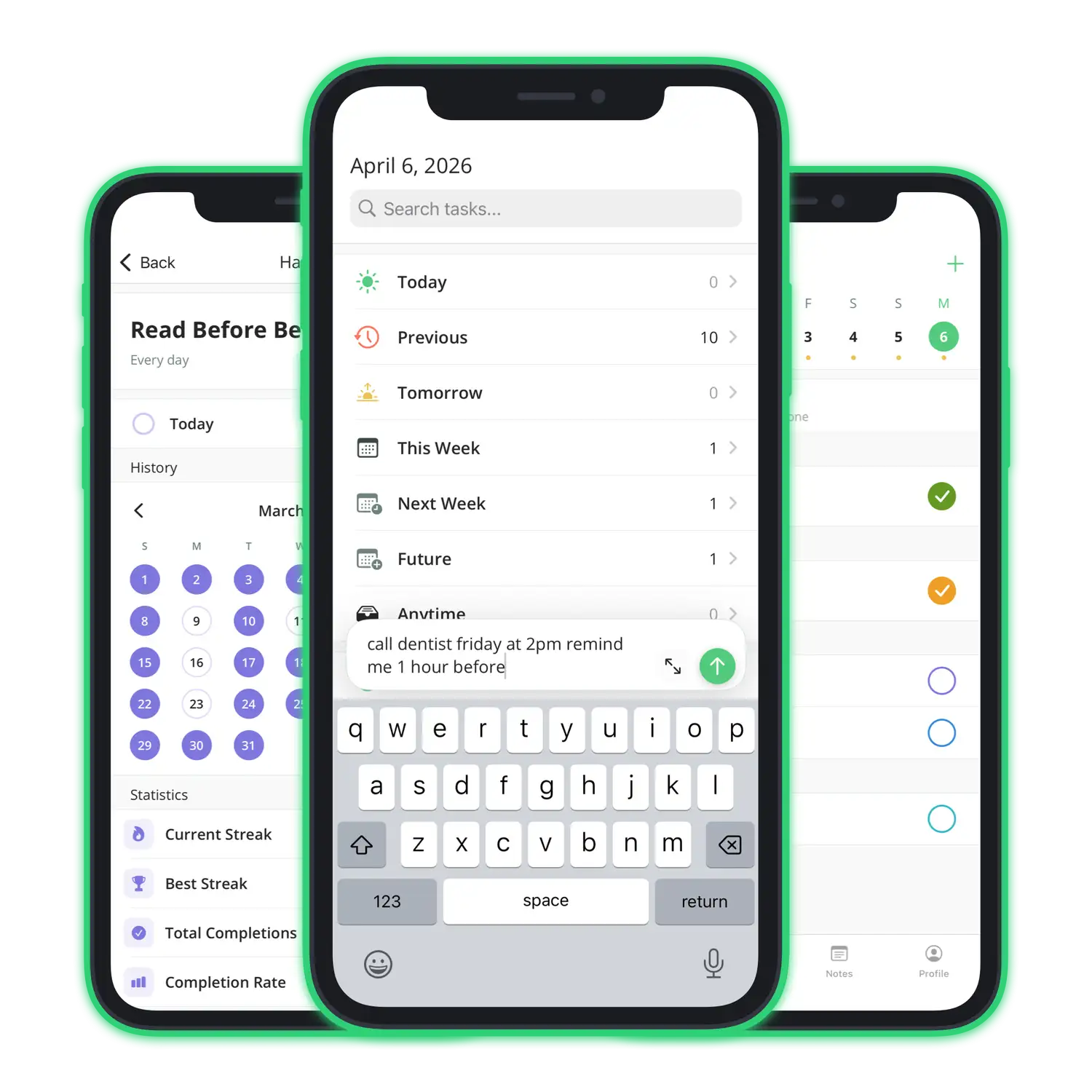
iOS and mobile apps

An app that keeps working for years and keeps up with each new iOS release without needing a rebuild.

  • A native iOS app that I design and build
  • The backend, sync, and offline behaviour behind it
  • Payments, subscriptions, and App Store submission

From first call to still running

Every project is different and the details change, but this is the shape of it.

01

A scope call

We spend half an hour working out what you are actually trying to achieve and whether I am the right person for it, and if I am not, I will tell you on the call rather than send you a proposal anyway.

No cost
02

A written proposal

The proposal sets out what I will deliver, what is not included, and one fixed price, so you know what you are buying before you agree to anything, and the price does not move unless you ask for something new.

Fixed price
03

The build

You get a written update every Friday whether or not there is news, so you are never left wondering where things are, and most projects also get a link where you can watch progress as it happens.

Weekly updates
04

The technical setup

If you already have your domain, hosting, email, and accounts set up, I work with what is there, and if you have none of it and are not sure what any of it means, I sort it out and put it all in your name.

Handled either way
05

Launch and handover

Everything transfers to you with written documentation and a recorded walkthrough you can rewatch instead of asking me again, and two weeks of fixes are included after launch.

You own it
06

Afterwards

Once it is live I can stay on to handle updates, hosting, and changes as the business moves, which is how most of my client work runs, or you can take it from there yourself.

Optional

What you get either way

These do not change from project to project, and they are most of the reason the work tends to still be running years later.

You own all of it

The code, the hosting, the domain, and the accounts are all in your name from the start, and if you would rather not think about any of that, I set it up and walk you through what each piece does.

Built to still be here in five years

I build things so that you are not forced into a rebuild a year later because of shortcuts taken early on, and some of what I have built has been running and earning for a decade.

Careful where it counts

Anything touching money, customer records, or something you cannot undo gets tested properly before it goes near a real person.

Problems surface before customers find them

When something breaks, I want you to hear about it from monitoring before an annoyed customer tells you, so I set that up as part of every project.

Quick because I have done this before

I have built most of these systems before, which makes me quick, and that time goes into finishing sooner while still doing the parts you will never see properly.

Explained in plain language

You will never need to decode jargon to understand what I am doing or what it costs. If something technical matters to your decision, I will explain why it matters.

The things people ask first

What does a project cost?

It depends on what you need, which is why I do not publish prices. The scope call and proposal turn a vague idea into one fixed number before you commit to anything. Projects generally start in the five figures, so if you are looking for something in the hundreds I am not the right fit and I would rather tell you that now.

How long will it take?

The proposal gives you a timeline with milestones, which I only put together once I understand the project properly, and I take on a small number of projects at a time so the one you are paying for gets real attention.

I am not technical. Is that a problem?

Not at all, and most of my clients are not. You do not need to know what hosting is or who owns a domain. You need to know what problem you are solving, and I handle the rest and explain anything that affects a decision you have to make.

What does owning the code actually mean?

It means the work lives in accounts with your name on them, and you can hand it to any other developer at any point without asking me. Some agencies keep this on their own accounts so you cannot leave. I set it up the other way round, and I show you where everything is at handover.

Can you work with my existing team or website?

Often I can, since I have joined companies as a founding engineer and picked up other people's work plenty of times. Send me what exists and I will tell you whether it is worth building on or worth replacing.

What if I only have an idea?

That is a normal place to start. The call is partly there to turn an idea into something specific enough to build and to price. You do not need a spec written out.

What happens after launch?

Two weeks of fixes are included. After that most clients keep me on for updates, hosting, and new work as things change, but it is optional and you are not locked in, and I have been looking after one client system for years now.

Why not use an agency or an offshore team?

Sometimes you should, particularly if you need a lot of people at once. What you get here instead is one senior engineer who builds the thing and is still around afterwards, and you talk to that person directly rather than through an account manager.